
Understanding EU Sanctions Legal Defense
In an increasingly interconnected world, the European Union (EU) has implemented a range of sanctions aimed at influencing political situations, promoting human rights, or addressing security concerns. However, these sanctions can significantly impact the legal rights and business operations of individuals and companies. In this context, understanding the legal defense against EU sanctions is crucial. This is especially true for organizations that could be inadvertently caught in the web of sanctions or those facing targeted actions. Legal strategies, implications, and defense mechanisms must be comprehensively understood to navigate this complex legal landscape. For a deeper insight into the topic, consider exploring EU Sanctions Legal Defense as a resource.

What Are EU Sanctions?
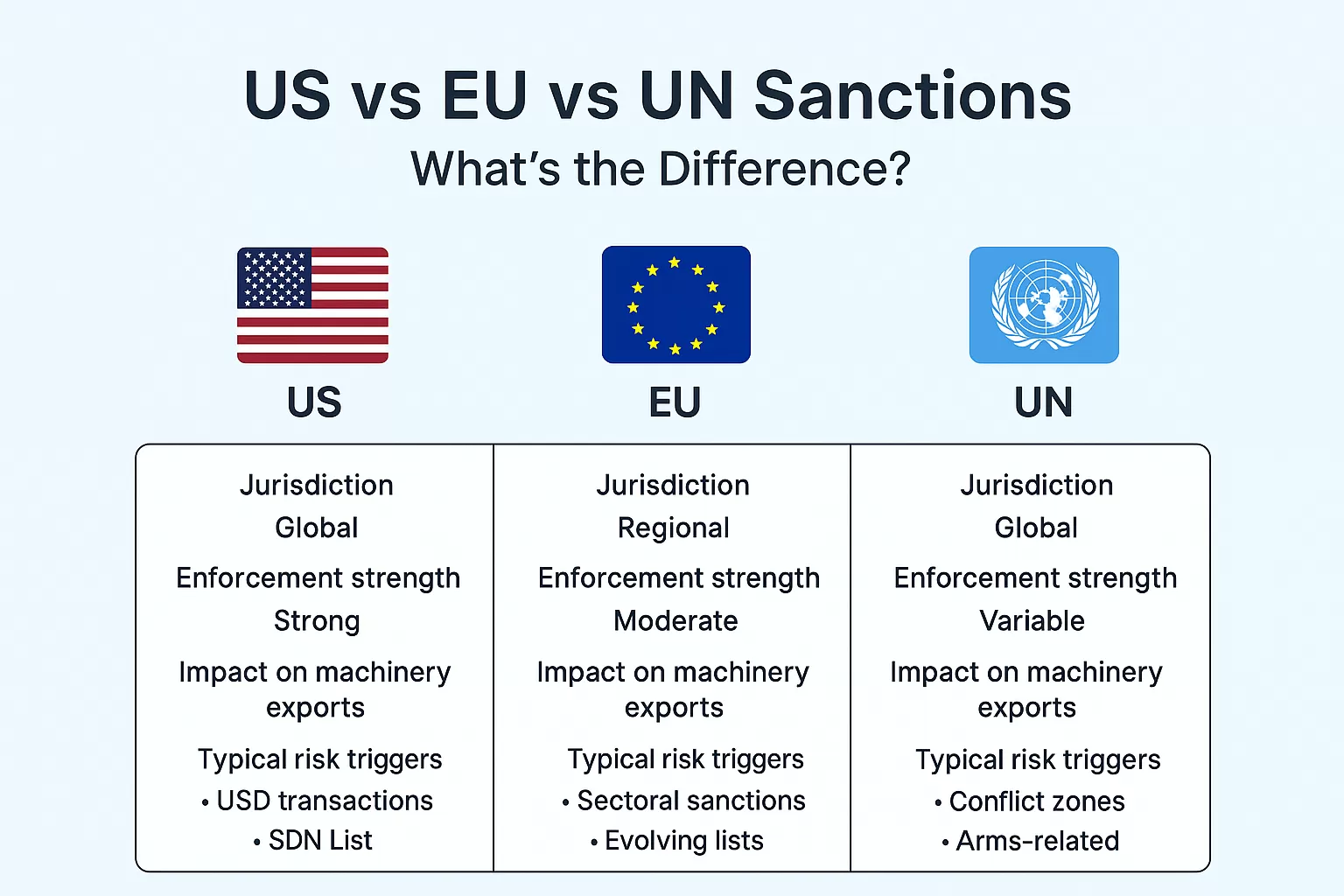
EU sanctions are restrictive measures imposed by the European Union against particular countries, individuals, or groups. They can take various forms, including asset freezes, travel bans, and restrictions on trade and investment. The primary objectives of these sanctions are to maintain international peace and security, uphold human rights, and deter unlawful activities. Sanctions can be imposed in response to breaches of international law, such as wars, human rights abuses, or acts of terrorism.
The Legal Basis for EU Sanctions
The legal basis for imposing sanctions lies primarily in the EU’s Common Foreign and Security Policy (CFSP). Regulations are enacted through the EU Council and are binding on all EU member states. The legal frameworks governing these sanctions are highly complex and often involve intricate assessments of international law, EU treaties, and the principles of proportionality and non-retroactivity.
Consequences of EU Sanctions
Violation of EU sanctions can have dire consequences, including criminal charges, substantial fines, and reputational damage. Individuals and businesses must be aware of the dual nature of sanctions, where both direct and secondary sanctions are applicable. Secondary sanctions can affect non-EU entities that engage in dealings with sanctioned individuals or countries, leading to a broad reach that extends beyond EU borders.
Legal Defense Against EU Sanctions
The defense against EU sanctions typically revolves around the following strategies:
- Due Diligence: Robust compliance programs and thorough due diligence processes are fundamental. Entities must ensure they are not inadvertently in breach of sanctions by conducting regular audits and risk assessments.
- Challenge Sanctions: Individuals and companies can appeal against sanctions imposed on them in EU courts. They can argue that the sanctions lack sufficient legal basis, violate their rights under EU law, or have been improperly applied.
- Human Rights Considerations: In cases where sanctions infringe upon fundamental rights, such as the right to a fair trial or freedom of trade, legal defense may pivot on these human rights implications.
- Expert Legal Advice: Engaging with legal experts who specialize in international law and EU sanctions is critical. They can provide tailored advice, represent entities in legal proceedings, and help navigate complex regulatory changes.
Case Law and Precedents
Understanding case law and precedents is vital for developing legal defenses against EU sanctions. The General Court of the EU has handled numerous cases regarding sanctions, often focusing on the proportionality of the measures and the need for transparent and fair procedures. Notable cases include the decisions regarding asset freezes and travel bans imposed on individuals and political leaders.
The Role of International Law
International law plays a pivotal role in shaping the framework for EU sanctions. The EU is bound by its commitments under international treaties and conventions, and sanctions must align with international law principles to be enforceable. Legal defenses may leverage violations of international law to contest the imposition of sanctions, particularly when it comes to humanitarian principles and
human rights obligations.
Best Practices for Compliance
To mitigate the risk of unwittingly breaching EU sanctions, organizations should implement best practices, including:
- Regular training for employees on sanctions compliance and implications.
- Establishing dedicated compliance teams to oversee operations concerning potential sanctions risks.
- Keeping up-to-date with regulatory changes, including new sanctions lists published by the EU and other international bodies.
- Using third-party compliance software tools that monitor transactions and flag potential sanctions issues.
Conclusion
As sanctions regimes evolve and become more intricate, understanding the scope and legal defense mechanisms associated with EU sanctions is of utmost importance. Organizations must proactively engage in compliance measures and remain vigilant to avoid inadvertent violations. Given the serious implications that can arise from these sanctions, a well-structured legal defense strategy is critical. By leveraging expert advice and staying informed on both EU and international law, individuals and businesses can navigate this challenging landscape more effectively.