Blog

  • Understanding Extradition Defense Strategies and Considerations

    Extradition is the formal process by which one jurisdiction surrenders an individual to another jurisdiction for prosecution or to serve a sentence. The complex legal landscape surrounding extradition makes it essential for individuals facing this process to understand their rights and defenses. A competent legal defense is crucial, especially when navigating international laws and treaties. In this context, individuals often face challenges related to their legal status in the requesting country, the potential for human rights violations, and the effectiveness of their legal counsel. If someone has received an Extradition Defense Interpol Red Notice Removal, it may complicate matters further, highlighting the need for a robust extradition defense strategy. This article delves into the various facets of extradition defense, providing guidance on potential legal strategies and considerations for individuals at risk of extradition.

    Understanding Extradition

    Extradition is typically governed by treaties between countries or regions, which outline the terms under which one country will hand over an individual to another. These treaties often include stipulations related to the nature of the crime, the potential punishment, and assurances of fair treatment. Not all offenses are extraditable; for example, political crimes or offenses considered less severe might be outside the scope of extradition treaties. Additionally, a country may refuse extradition if it believes the individual will not receive a fair trial or if the crime in question doesn’t constitute an offense in the jurisdiction of the extraditing country.

    Legal Framework of Extradition

    The legal framework surrounding extradition is intricate and varies significantly from one jurisdiction to another. In the United States, for instance, the extradition process is regulated by federal law and is often influenced by international treaties. Other countries have their own processes, but certain principles are common worldwide. These include:

    • Extradition Treaties: Most countries have treaties governing the extradition of offenders. These treaties set the standard for extradition requests, including the list of offenses that are extraditable.
    • Dual Criminality: This principle states that an act must be a crime in both the requesting and requested countries for extradition to occur.
    • Political Offense Exception: Many treaties allow for the denial of extradition requests if the crime is deemed politically motivated.

    Challenges in Extradition Cases

    Individuals facing extradition may encounter various challenges, which can complicate their legal defense. Some of the primary challenges include:

    • Complex Legal Processes: The intricacies of international law can make it difficult for individuals to navigate the extradition process without professional legal assistance.
    • Potential for Human Rights Violations: Many defendants fear that they may not receive a fair trial in the requesting country or may face inhumane conditions.
    • Public Perception and Media Influence: High-profile cases may attract media attention, which can impact public perception and the fairness of the trial.

    Defenses Against Extradition

    There are several common defenses that individuals can raise when contesting an extradition request. Understanding these defenses can help individuals prepare their legal strategy effectively.

    • Due Process Violations: One of the most critical defenses is proving that extradition would violate the defendant’s right to due process, either in the requesting or the requested country.
    • Innocence or Lack of Evidence: If the individual can establish their innocence or demonstrate that the charges are based on insufficient evidence, this could form a basis for refusing extradition.
    • Human Rights Concerns: If there are significant concerns regarding the treatment the individual would receive in the requesting country, this can impact the extradition decision.

    The Role of Legal Representation

    Given the complexity of extradition laws and procedures, having an experienced attorney is paramount. A skilled lawyer specializing in extradition defense can navigate the legal landscape, ensuring that the rights of the individual are protected throughout the process. They can delve into the nuances of the case, provide strategic legal advice, and represent the individual during hearings. Furthermore, they can assist in preparing necessary documentation, negotiating with authorities, and employing tactics to contest the extradition.

    Conclusion

    Extradition defense is a multifaceted area of law that requires a thorough understanding of international treaties, legal principles, and human rights considerations. As individuals face the potential reality of extradition, they must be equipped with knowledge and legal support to protect themselves. The possibility of a lengthy extradition battle often leads to significant emotional and financial stress, underscoring the importance of proactive legal representation. When facing such serious allegations and procedures, understanding the legal avenues available and knowing how to assert their rights is crucial for individuals in jeopardy of extradition.

  • Understanding the Costs Behind Vanuatu Passport Price

    Understanding the Costs Behind Vanuatu Passport Price

    If you’re considering obtaining a citizenship by investment in Vanuatu, it’s crucial to understand the Vanuatu passport price Vanuatu Passport Price and what it entails. Vanuatu, a picturesque archipelago in the South Pacific, offers one of the most appealing citizenship programs for global investors. This article will explore the costs associated with the Vanuatu passport, the benefits of obtaining it, and the investment options available to prospective applicants.

    Introduction to Vanuatu Citizenship by Investment Program

    Vanuatu has established a Citizenship by Investment (CBI) program that allows investors and their families to acquire citizenship in exchange for financial contributions to the country. Launched in 2017, the program aims to attract foreign investment and boost economic growth. The Vanuatu passport is reputation for its ease of application and comparatively quick processing times, making it a sought-after option for many looking to expand their global mobility.

    Costs Involved: Breaking Down the Vanuatu Passport Price

    The total cost of obtaining a Vanuatu passport varies based on different investment options and additional fees. Here’s a breakdown of the main components contributing to the Vanuatu passport price:

    1. Government Fees

    The primary component of the total cost is the government fee, which typically starts at around $130,000 for a single applicant. This fee may increase depending on the number of dependents included in the application. The government fees are non-refundable, which means that if the application is rejected, the applicant won’t get this money back.

    2. Due Diligence Fees

    To ensure eligibility, applicants must also pay due diligence fees. These fees cover the background checks conducted by the government to assess the applicant’s character and the source of funds. The due diligence fee is generally around $5,000 to $10,000 per adult applicant.

    3. Processing Fees

    Processing fees are charged by the designated agent handling the application. These fees vary widely depending on the provider but typically range between $5,000 to $15,000. This fee often includes assistance with documentation, application preparation, and submission to the government.

    4. Investment Contribution

    Applicants must make an investment in the form of a contribution to the Vanuatu government’s Development Support Program. The minimum contribution starts at $130,000 for a single applicant but increases considerably with additional dependents. Alternatively, investors can choose to invest in real estate, which comes with higher costs and specific requirements.

    Investment Options for Vanuatu Citizenship

    While the most common path to Vanuatu citizenship is through government contributions, there are other investment routes available:

    1. Development Support Program Contribution

    This is the most straightforward option, where applicants make a direct financial contribution to Vanuatu’s Development Support Program. This contribution is intended to aid in national development projects and infrastructure improvements.

    2. Real Estate Investment

    Investors have the option of buying real estate valued at a minimum of $200,000, provided it is held for a minimum period of five years. This route may come with additional fees and the need for compliance with local laws and regulations.

    Benefits of Obtaining a Vanuatu Passport

    Investing in Vanuatu’s citizenship offers numerous advantages that attract applicants from around the world:

    1. Visa-Free Travel

    A Vanuatu passport allows for visa-free or visa-on-arrival access to over 130 countries, including Schengen Area countries, the UK, and many countries in Asia and the Pacific. This enhances global mobility significantly.

    2. Tax Advantages

    Vanuatu is known for its favorable tax regime, with no personal income tax, wealth tax, or capital gains tax. This makes it an attractive option for individuals looking to optimize their tax liabilities.

    3. High Quality of Life

    With its stunning natural environment, pleasant climate, and welcoming culture, Vanuatu offers a high quality of life. The archipelago is known for its relaxed lifestyle, outdoor activities, and vibrant communities.

    4. Property Ownership

    Citizens are allowed to own property in Vanuatu, which presents opportunities for real estate investment or vacation retreats. This can be both a personal asset and a potential source of rental income.

    The Application Process for Vanuatu Citizenship

    The application process for obtaining a Vanuatu passport through investment is streamlined and efficient. Here are the main steps involved:

    1. Choose Your Investment Option

    Decide whether you will make a contribution to the Development Support Program or invest in real estate. Each option comes with different costs and requirements.

    2. Engage a Licensed Agent

    It is mandatory to use an authorized agent to submit your application. This agent will guide you through the application process, ensure all necessary documentation is in order, and assist with payment processing.

    3. Prepare Documentation

    Prepare all required documents, including passports, birth certificates, bank statements, and police clearance certificates. The thoroughness of these documen

    ts is crucial for a smooth application.

    4. Submit Application and Pay Fees

    Once documentation is ready, submit your application along with the required fees to your agent, who will handle the submission to the government.

    5. Due Diligence Checks

    After submission, the government will conduct due diligence checks, which may take several weeks. During this time, applicants may be asked for additional information or clarification.

    6. Approval and Passport Issuance

    If approved, applicants will be issued a Certificate of Citizenship and can then apply for a passport. The entire process can take approximately 2 to 4 months, depending on the choice of processing.

    Conclusion

    Investing in a Vanuatu passport can be a strategic move for those seeking enhanced global mobility, tax benefits, and a high-quality lifestyle. While the Vanuatu passport price involves various fees and due diligence, the potential rewards make it a compelling option for investors. Whether through a direct monetary contribution or real estate investment, Vanuatu’s citizenship by investment program stands out for its straightforward application process and favorable advantages.

  • Understanding the Costs of a Vanuatu Passport 949049031

    The Vanuatu passport price is a significant aspect for those considering obtaining a passport from this beautiful island nation. Vanuatu, known for its stunning landscapes and vibrant culture, offers more than just a picturesque getaway; it also provides a unique opportunity for global mobility through its citizenship by investment program.

    Overview of the Vanuatu Citizenship by Investment Program

    The Vanuatu Citizenship by Investment program allows individuals to obtain citizenship in exchange for a financial investment in the country. Launched in 2017, this program has attracted numerous investors looking for a second passport, security, and access to a wide range of global opportunities. The program is designed to enhance the economy of Vanuatu while providing applicants with a swift and efficient path to citizenship.

    Benefits of Holding a Vanuatu Passport

    Acquiring a Vanuatu passport comes with a wealth of benefits. The advantages include visa-free travel to over 130 countries, including the Schengen Area, the United Kingdom, and Russia. Moreover, the passport facilitates easier access to various international business opportunities and tax benefits, making it an attractive option for investors and expatriates alike.

    Investment Options

    To obtain Vanuatu citizenship, applicants are required to make a qualifying investment. The primary routes include:

    • Donation to the Government: This involves a non-refundable contribution to a government fund, which typically starts around $130,000 for a single applicant. Additional fees apply for dependents.
    • Real Estate Investment: Alternatively, investors can choose to purchase real estate valued at a minimum of $200,000, which must be held for a specific period before resale.

    Understanding the Costs Involved

    While the investment amounts may seem straightforward, prospective applicants should also consider additional costs associated with the application process. These may include:

    • Government fees
    • Due diligence fees
    • Legal fees for document preparation
    • Application processing fees

    Overall, the total cost of acquiring a Vanuatu passport, including the investment and additional fees, can range from $130,000 to upwards of $500,000, depending on the investment route chosen and the number of dependents included in the application.

    The Application Process

    The application process for a Vanuatu passport is typically streamlined and can be completed in a matter of months. Following the necessary investment, applicants must submit a series of documents, including:

    • A valid passport
    • Proof of the source of funds
    • Birth certificates and marriage certificates, if applicable
    • Police clearance certificates
    • Medical examinations

    Once submitted, the application undergoes a due diligence process, which includes background checks to ensure the integrity and safety of applicants. The whole procedure aims to be efficient while maintaining the nation’s security standards.

    Tax Advantages of Vanuatu Citizenship

    One of the major attractions of Vanuatu citizenship is the favorable tax environment. Vanuatu does not impose income tax, capital gains tax, or inheritance tax, making it a sought-after option for high-net-worth individuals looking to mitigate their tax liabilities. This financial benefit can often offset the initial investment cost, making Vanuatu an appealing destination for both residency and business.

    Long-term Considerations

    While the initial cost of acquiring a Vanuatu passport may be considerable, there are several long-term factors that can influence an investor’s decision:

    • Political Stability: Vanuatu is recognized for its stable government and peaceful environment, essential factors for those considering relocation.
    • Access to International Markets: Vanuatu citizens enjoy easier access to global markets and investment opportunities, which can lead to financial growth.
    • Healthcare and Education: The government is committed to improving public services, including healthcare and education, which benefits citizens and their families.

    Conclusion

    The price of a Vanuatu passport, while significant, represents an investment in a life of opportunity, security, and freedom. The benefits that accompany Vanuatu citizenship, including global mobility and a favorable tax regime, make it an attractive option for many. As with any investment decision, potential applicants should conduct thorough research and consider consulting with immigration professionals to navigate the process effectively.

    In summary, understanding the Vanuatu passport price and the associated costs is crucial for making an informed decision. Whether you are seeking a second citizenship for travel, business, or personal safety, Vanuatu offers a compelling program that could align well with your goals.

  • Understanding OFAC Investigations & Enforcement Defense 949376328

    Understanding OFAC Investigations & Enforcement Defense

    In today’s complex global economy, businesses and individuals alike must navigate a web of regulations related to sanctions and foreign transactions. One of the key players in this arena is the Office of Foreign Assets Control (OFAC) of the U.S. Department of the Treasury. When faced with an OFAC investigation, proper defense strategies are crucial. This article will explore the nature of OFAC Investigations & Enforcement Defense, the implications of non-compliance, and the avenues available for legal representation.

    What is OFAC?

    The Office of Foreign Assets Control (OFAC) administers and enforces economic and trade sanctions based on U.S. foreign policy and national security goals. It is responsible for implementing and enforcing a variety of sanctions programs that target specific countries, regimes, and individuals perceived as threats to the United States. Violations of OFAC regulations can lead to severe penalties, including hefty fines, criminal charges, and reputational damage.

    Understanding OFAC Investigations

    OFAC investigations typically arise when there are suspicions of non-compliance with U.S. sanctions. These investigations can occur due to various triggers, including reports from financial institutions, suspicious activity reports (SARs), or tips from whistleblowers. The investigation process may involve audits, information requests, and even subpoenas to gather necessary evidence.

    The Investigation Process

    The OFAC investigation process generally includes several stages:

    • Initiation: Investigations may be initiated based on credible information suggesting a potential violation.
    • Information Gathering: OFAC will collect data from various sources, including transactions, communications, and financial records.
    • Analysis: Collected information is reviewed to determine whether a violation occurred and the extent of any wrongdoing.
    • Resolution: Depending on the findings, OFAC may choose to take action ranging from fines to criminal referrals.

    Defending Against OFAC Investigations

    When facing an OFAC investigation, it’s essential to mount a robust defense. Here are key strategies to consider:

    1. Legal Representation: Engaging an experienced attorney specializing in OFAC issues is crucial. They can provide guidance, communicate with OFAC on your behalf, and develop a defense strategy.
    2. Compliance Review: Conduct a thorough internal review of your company’s compliance with OFAC regulations. Identifying and addressing potential weaknesses can mitigate penalties.
    3. Cooperation: Maintaining an open line of communication with OFAC can be beneficial. Demonstrating a willingness to cooperate may lead to more favorable outcomes.
    4. Engaging with Regulatory Bodies: If the investigation is complicated or the stakes are high, consider engaging with other regulatory bodies to show good faith and a commitment to compliance.

    The Consequences of Non-Compliance

    Failure to comply with OFAC regulations can lead to serious repercussions:

    • Financial Penalties: Fines for violations can be substantial, sometimes reaching millions of dollars.
    • Criminal Charges: In severe cases, individuals can face criminal prosecution, which may lead to imprisonment.
    • Reputational Harm: Being investigated or fined can severely damage a business’s reputation, affecting relationships with banks, clients, and partners.
    • Loss of Licenses and Contracts: Companies may lose valuable contracts, licenses, and access to banking services due to OFAC violations.

    Recent Trends in OFAC Enforcement

    In recent years, the enforcement of OFAC sanctions has intensified. Regulatory bodies have adopted a zero-tolerance policy for violations, and penalties have become increasingly severe. High-profile cases have underscored the need for heightened awareness and compliance. Businesses must stay informed of changing regulations, as sanctions can be imposed or lifted rapidly in response to geopolitical developments.

    Best Practices for Compliance

    To avoid the severe consequences associated with OFAC violations, businesses must adopt best practices for compliance:

    • Regular Training: Conduct regular training sessions for employees on OFAC compliance and the importance of adhering to sanctions.
    • Screening Transactions: Implement robust systems to screen transactions against OFAC lists and ensure that you are not engaging with sanctioned individuals or entities.
    • Developing Internal Policies: Create and maintain comprehensive internal policies and procedures related to compliance with OFAC regulations.
    • Staying Informed: Stay updated on changes to OFAC regulations and lists to ensure ongoing compliance.

    Conclusion

    OFAC investigations can have profound implications for individuals and businesses. Understanding the enforcement landscape, mounting an effective defense, and committing to compliance are critical steps in navigating these complex regulations. By prioritizing adherence to OFAC mandates and engaging experienced legal counsel when necessary, stakeholders can safeguard themselves against the potentially devastating consequences of sanctions violations.

  • Nauru Passport Ranking 2026 A Comprehensive Overview

    Nauru Passport Ranking 2026

    As we approach 2026, the Nauru Passport continues to gain relevance in the realm of global mobility. In this article, we will delve into the current standing of the Nauru Passport, explore its ranking, and examine how it compares to other countries. Additionally, we will discuss how this small Pacific island nation is making strides on the international stage. For more information about the Nauru Passport, you can visit Nauru Passport Ranking 2026 Nauru Passport.

    The Global Passport Index

    The Passport Index is a popular way to gauge the power of a country’s passport based on the number of countries its holders can visit without a visa or obtain a visa on arrival. A passport’s ranking can significantly affect the travel freedom of its citizens, impacting tourism, business travel, and international relations.

    Nauru Passport Overview

    The Nauru Passport is issued to citizens of Nauru, which is one of the smallest countries in the world, both in terms of land area and population. Despite its size, Nauru is an important member of several international organizations, and its passport allows for certain travel privileges, though it does have limitations.

    Nauru Passport Rankings and Travel Freedom

    In 2026, the Nauru Passport ranks in the mid-tier among global passports. Holders of a Nauru Passport can enter approximately 70 countries without requiring a visa, making some of the travel experiences easier for its citizens. This number has seen fluctuations over the years due to international relations and changes in visa policies.

    Comparison with Other Pacific Nations

    When compared to its Pacific neighbors, the Nauru Passport’s strength lies between lesser-known passports like those of Tuvalu and Vanuatu and more robust options such as the Australian or New Zealand passports. For instance, while Nauru allows easier access to some countries in Asia and the Pacific, more developed neighbors provide broader access to Europe and North America.

    Impact of Visa Waiver Agreements

    The strength of any passport often hinges on bilateral agreements between nations concerning visa waivers. Nauru has engaged in diplomatic relationships that have resulted in improved access to various countries. Preparing for the 2026 rankings, the nation is hopeful that ongoing negotiations will lead to more visa-free entries, particularly with countries in Europe and Asia.

    Reasons for Increasing Mobility

    As globalization continues to grow, many nations, including Nauru, recognize the importance of enhancing their citizens’ mobility. This can lead to improved economic opportunities through tourism and international business. Nauru’s government is aware of these opportunities and is investing efforts to bolster its international relations to improve passport strength.

    Looking Ahead: The Future of the Nauru Passport

    As we look to the future, the Nauru Passport is poised to evolve in response to changing global dynamics. Whether through improved diplomatic relations, enhanced domestic policies, or the exploration of economic partnerships, the rankings of the Nauru Passport could reflect significant changes in the coming years. Citizens are encouraged to stay informed about their rights and opportunities as global travel continues to adapt.

    Conclusion

    In summary, the Nauru Passport holds a unique position in the world of international travel. As we approach 2026, its ranking represents both the challenges faced and the potential that lies ahead. With a focus on developing diplomatic relations and enhancing mobility, the Nauru passport could see improvements that benefit its holders in the years to come. Whether for personal or professional reasons, understanding the passport’s ranking is crucial for citizens aiming to make the most of their international travel opportunities.

  • Unlocking a World of Freedom The Vanuatu Passport for Digital Nomads

    Vanuatu Passport for Digital Nomads: A Gateway to Global Freedom

    In today’s fast-paced digital age, the lifestyle of digital nomadism has gained immense popularity. As remote work becomes the norm, many individuals seek locations that not only enhance their work-life balance but also provide them with a chance to explore diverse cultures and environments. One such opportunity lies in obtaining a Vanuatu Passport for Digital Nomads. This article will delve into the benefits of holding a Vanuatu passport, the application process, and how it can unlock a world of freedom for digital nomads.

    Understanding the Vanuatu Passport

    The Vanuatu passport is issued by the Republic of Vanuatu, an island nation located in the South Pacific Ocean. Known for its stunning landscapes and friendly locals, Vanuatu has become an attractive destination for individuals seeking tranquility and adventure. One of the standout features of the Vanuatu passport is its visa-free access to over 120 countries, including the Schengen Area, the United Kingdom, and several other popular travel destinations.

    Why Choose Vanuatu for Your Passport?

    1. Visa-Free Travel: The ability to travel without the need for visas can significantly enhance a digital nomad’s ability to explore new horizons. With a Vanuatu passport, you gain entry to countries that require lengthy visa processes for other nationalities.

    2. Tax Advantages: Vanuatu is known for its favorable tax policies. For those who earn income remotely, this can be a compelling reason to consider obtaining a passport. The absence of personal income tax allows digital nomads to retain more of their earnings.

    3. Political Stability: Vanuatu is recognized for its peaceful environment and stable political climate. This stability is appealing to individuals seeking to establish a base in a country that is welcoming and secure.

    The Application Process

    Obtaining a Vanuatu passport is a straightforward process, especially for digital nomads who can provide proof of their financial independence. The primary method of acquiring a passport is through the Vanuatu Citizenship by Investment (CBI) program. Here are the key steps involved:

    1. Research and Preparation: Gather all necessary documents, including proof of identity, financial statements, and any required legal documentation. Choosing a reputable agency to assist with the process can significantly simplify this stage.

    2. Investment Requirement: The CBI program requires a financial contribution to the Vanuatu government, often through a donation to a government-approved development fund. The minimum investment usually starts at around $130,000 for a single applicant.

    3. Application Submission: Once all documents are prepared, submit your application through an authorized agent. This includes paying the necessary fees and waiting for processing. The entire process can typically take between 1 to 3 months.

    4. Receive Your Passport: Upon approval, you will receive your Vanuatu passport, granting you access to a range of travel opportunities and the ability to explore the world without the restrictions of a conventional visa.

    Benefits for Digital Nomads

    For digital nomads, the Vanuatu passport offers more than just freedom of travel. Here are some additional benefits to consider:

    1. Community and Networking: Vanuatu is home to a growing community of expatriates and digital nomads. This offers opportunities for networking, collaboration on projects, and sharing experiences with like-minded individuals.

    2. Natural Beauty: The stunning landscapes of Vanuatu provide an ideal backdrop for a balanced lifestyle. From pristine beaches to lush jungles, the scenery not only enhances relaxation but also fosters creativity for those who work remotely.

    3. Cultural Experiences: Living in Vanuatu exposes digital nomads to rich local cultures and traditions. Engaging with the local community can lead to personal growth and a deeper understanding of the world.

    Frequently Asked Questions

    Can my family also get Vanuatu citizenship?
    Yes, under the CBI program, applicants can include their spouse and children, granting them citizenship benefits as well.

    Is Vanuatu safe for nomads?
    Vanuatu is generally considered safe for residents and visitors. However, as with any destination, it is advisable to stay informed about local conditions and practice standard safety precautions.

    Do I need to reside in Vanuatu?
    No, the Vanuatu passport does not require you to reside in the country, giving you the freedom to travel as you wish.

    Conclusion

    For digital nomads, the pursuit of freedom is often accompanied by the need for visa flexibility, tax advantages, and personal enrichment. The Vanuatu passport offers all these benefits and more, providing a unique opportunity for those willing to embrace a life of adventure. Whether you are seeking new experiences or a sustainable lifestyle, Vanuatu’s citizenship by investment program could be your ticket to a more liberated way of living. As the world continues to evolve, adapting to the lifestyle of a digital nomad with the right credentials can make all the difference. Start your journey today!

  • The Role and Impact of a Human Rights Lawyer

    The Role and Impact of a Human Rights Lawyer

    The profession of a human rights lawyer is one of the most noble and challenging vocations within the legal field. These lawyers are tasked with defending individuals and groups whose rights are threatened, compromised, or violated. They strive to promote justice, ensuring that fundamental human freedoms are recognized and upheld, often in the face of substantial obstacles. This article aims to explore the multifaceted role of human rights lawyers, the challenges they face, and the impact their work has on society.

    What is Human Rights Law?

    Human rights law encompasses the rules and treaties that protect individuals and groups against abuses and discrimination. This branch of law is grounded in various international instruments, including the Universal Declaration of Human Rights (UDHR), the International Covenant on Civil and Political Rights (ICCPR), and regional human rights treaties. Human rights lawyers work within this framework, advocating for those whose rights are infringed upon, whether due to government action, corporate misconduct, or societal discrimination.

    The Role of a Human Rights Lawyer

    Human rights lawyers perform a myriad of functions in their pursuit of justice. Here are some critical aspects of their role:

    1. Advocacy

    At the core of a human rights lawyer’s work is advocacy. They represent clients in legal proceedings, ensuring that their voices are heard in courts and legislative bodies. This advocacy extends beyond individual cases, as human rights lawyers aim to influence policy changes that protect vulnerable communities. Their work often includes lobbying for new laws and regulations that align with human rights principles.

    2. Legal Representation

    Human rights lawyers provide representation in various legal forums, ranging from local courts to international tribunals. They navigate complex legal systems, often dealing with cases involving asylum seekers, victims of torture, or individuals charged with political offenses. The representation they provide can be a matter of life and death in oppressive regimes where the rule of law is compromised.

    3. Education and Awareness

    Beyond legal representation, human rights lawyers educate the public about their rights and the mechanisms available to protect them. They conduct workshops, seminars, and training programs aimed at empowering individuals and communities. Such educational efforts are crucial in fostering a culture of rights awareness and promoting active citizenship.

    4. Research and Policy Development

    Human rights lawyers engage in extensive research to build strong cases or to support their advocacy efforts. They analyze laws, international treaties, and governmental policies to identify gaps and areas needing reform. Their analyses often lead to recommendations that can inform policymakers and shape legislation aimed at protecting human rights.

    Challenges Faced by Human Rights Lawyers

    The work of human rights lawyers is fraught with challenges, many of which are systemic and deeply entrenched in societal structures. Here are some of the most significant obstacles they encounter:

    1. Threats and Intimidation

    Human rights lawyers often face serious threats to their safety and well-being. Many operate in hostile environments where speaking out against injustices can lead to harassment, violence, or even assassination. For instance, lawyers representing political prisoners or victims of state-sponsored violence may become targets themselves, drawing attention to the inherent risks of this line of work.

    2. Limited Resources

    Many human rights lawyers work for non-profit organizations or grassroots movements that are underfunded or lack adequate resources. This limitation can impede their ability to take on cases, conduct essential research, or engage in advocacy campaigns effectively. The challenge of securing funding often detracts from the focus on legal work and community involvement.

    3. Bureaucratic Hurdles

    Human rights lawyers frequently encounter bureaucratic resistance that complicates or obstructs their efforts. This resistance can manifest in various forms, including cumbersome legal procedures, unresponsive governmental agencies, or biases within the judicial system. Such obstacles can delay justice and frustrate the rights of individuals who have already endured significant trauma.

    The Impact of Human Rights Lawyers

    Despite the numerous challenges they face, human rights lawyers have made a profound impact on the lives of countless individuals and communities. Their work contributes to various positive outcomes:

    1. Justice for Victims

    By providing legal representation and advocating for the rights of victims, human rights lawyers help secure justice for those who have suffered human rights abuses. Their efforts can lead to legal accountability for perpetrators and can help restore dignity to victims.

    2. Policy Reforms

    Human rights lawyers play a pivotal role in driving policy reforms that enhance protections for marginalized groups. Through their advocacy and research, they influence legislative changes that improve the legal framework surrounding human rights.

    3. Building Stronger Communities

    The educational initiatives led by human rights lawyers not only empower individuals but also foster stronger, more informed communities. By raising awareness of rights and available protections, they encourage civic engagement and inspire collective action.

    Conclusion

    The work of a human rights lawyer is indispensable in the ongoing fight for justice and equality. Their dedication, expertise, and courage in the face of adversity underscore the critical importance of human rights advocacy. As they navigate the complexities of legal systems and push for reform, human rights lawyers remind us of the power of the law as a tool for social change. The future of human rights depends on their unwavering commitment to defending the rights of the vulnerable and voicing the concerns of the marginalized.

  • Understanding Sanctions Compliance Navigating the Complexities of International Law

    Understanding Sanctions Compliance

    In today’s globalized economy, the compliance landscape is increasingly complex. Businesses engaged in international trade need to understand various factors that affect their operations, and one of the most critical is Sanctions Compliance Sanctions Lawyers. This aspect of international law governs how companies must behave when dealing with foreign nations and entities that are subject to sanctions.

    What is Sanctions Compliance?

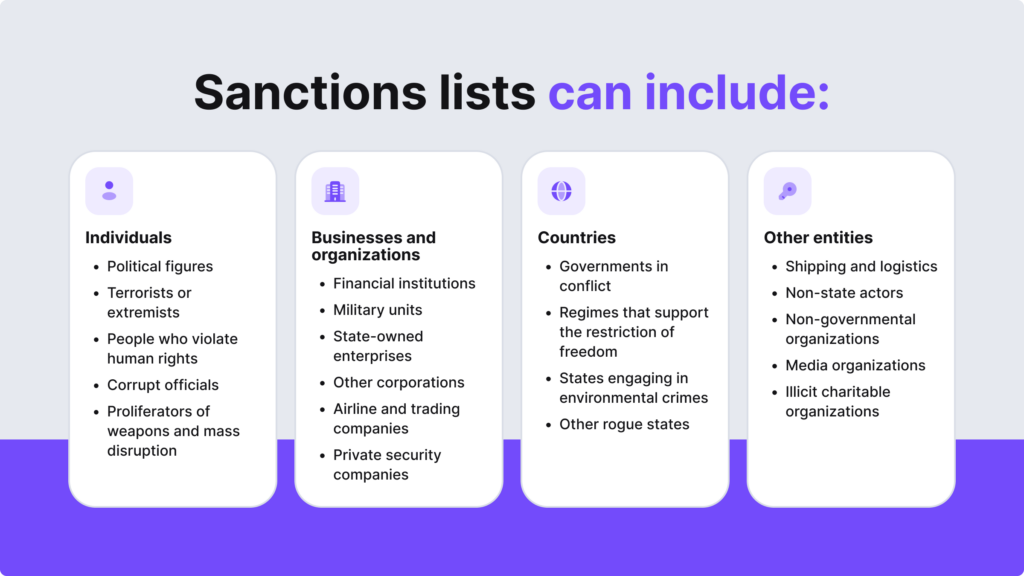
    Sanctions compliance refers to the adherence to laws and regulations that restrict or prohibit trade, investment, and other transactions with certain countries, individuals, or entities. Such sanctions are typically instituted by governments as a means to exert political pressure, maintain national security, or uphold international norms.

    The Importance of Sanctions Compliance

    Compliance with sanctions is crucial for several reasons:

    • Legal Obligations: Non-compliance can lead to severe legal consequences, including substantial fines, loss of business licenses, and reputational damage.
    • Protecting Reputation: In today’s interconnected world, companies are under scrutiny for their ethical practices. Non-compliance could tarnish a company’s reputation and erode customer trust.
    • Avoiding Operational Disruption: Engaging with sanctioned entities can result in disruptions to business operations, including the seizure of assets or blockage of accounts.
    • Enhancing Business Integrity: A robust sanctions compliance program fosters a culture of integrity within an organization.

    The Scope of Sanctions

    Sanctions can take several forms:

    • Comprehensive Sanctions: These sanctions prohibit all interactions with a sanctioned country, including trade, investment, and financial transactions. Examples include North Korea and Iran.
    • Targeted Sanctions: Also known as selective or smart sanctions, these are aimed at specific individuals or entities rather than an entire country. These can include asset freezes and travel bans.
    • Sectoral Sanctions: These limit specific sectors of a nation’s economy—such as finance, energy, or defense—without imposing comprehensive sanctions on the entire country.

    Key Players in Sanctions Compliance

    Understanding the key players involved in sanctions compliance is essential for businesses:

    • Government Agencies: In many countries, different agencies oversee sanctions compliance, including the Treasury Department’s Office of Foreign Assets Control (OFAC) in the United States, the European Union, and other national entities.
    • Legal Advisors: Many companies engage legal professionals who specialize in sanctions compliance to navigate these complex regulations.
    • Compliance Officers: Organizations typically designate compliance officers, establishing frameworks and processes to ensure adherence to sanctions regulations.

    Establishing a Sanctions Compliance Program

    Developing an effective sanctions compliance program involves several key steps:

    1. Conduct a Risk Assessment: Evaluate the business’s exposure to sanctions risks based on geographic presence, clientele, and the nature of the business.
    2. Implement Policies and Procedures: Develop clear policies outlining the approach to sanctions compliance, including due diligence procedures for clients and partners.
    3. Training and Awareness: Regular training programs should be conducted to educate employees about their roles in compliance efforts.
    4. Monitoring and Auditing: Conduct periodic reviews of business practices to identify potential compliance violations and ensure ongoing adherence to policies.

    Challenges in Sanctions Compliance

    Businesses often face several challenges in achieving sanctions compliance:

    • Complex Regulatory Frameworks: Regulations can vary significantly between jurisdictions, making it difficult for multinational companies to understand their obligations.
    • Rapidly Changing Laws: Sanctions regulations can change quickly in response to geopolitical events, requiring constant vigilance from compliance officers.
    • Technology and Data Management: Companies must invest in technology to better manage data and monitor for sanctions exposure effectively.

    Best Practices for Sanctions Compliance

    Adopting the following best practices can enhance sanctions compliance:

    • Continuous Training: Employee training should not be a one-time event; continuous education ensures that staff stay updated on sanctions developments.
    • Leverage Technology: Utilize software tools for real-time monitoring of sanctions updates, risk assessments, and transaction screening.
    • Engage External Experts: Consult with sanctions compliance experts or legal advisors, especially for complex matters or during changes in regulation.

    Conclusion

    Sanctions compliance is a critical component of international trade that requires a proactive approach. With the right strategies, businesses can minimize risks and ensure they operate within the confines of the law. Understanding and adhering to sanctions regulations not only safeguards against legal penalties but also contributes to the overall integrity of the business. As the global landscape evolves and sanctions become more frequent and complex, businesses must remain agile and informed to navigate this ever-changing environment effectively.

  • Sao Tome Citizenship A Gateway for Crypto Investors

    In recent years, Sao Tome has emerged as a compelling destination for investors, particularly for those involved in the fast-evolving world of cryptocurrency. Sao Tome Citizenship for Crypto Investors is not just a trend but a strategic move that aligns with the needs of digital asset holders. The rise of digital currencies has created a unique intersection between technology, finance, and global citizenship, prompting investors to look for favorable jurisdictions that support their endeavors. In this article, we will explore the various facets of Sao Tome citizenship in relation to crypto investments, the benefits it offers, and how individuals can navigate the process to secure their future in this revolutionary sector.

    Understanding Sao Tome and Principe

    Sao Tome and Principe is a small island nation located in the Gulf of Guinea, off the west coast of Africa. Although it may be lesser-known compared to other jurisdictions, it offers a wealth of opportunities, particularly for those in the cryptocurrency space. The country has been making strides to modernize its legal framework and regulatory environment to better accommodate international investors, especially in emerging industries like blockchain technology and digital currencies.

    The Intersection of Citizenship and Cryptocurrency

    The relationship between citizenship and cryptocurrency is complex but increasingly relevant. For many crypto investors, establishing residency or citizenship in a favorable location can provide benefits such as tax optimization, enhanced privacy, and increased global mobility. Sao Tome’s government has recognized this trend and has begun to position itself as an attractive destination for crypto entrepreneurs and investors seeking citizenship.

    Benefits of Sao Tome Citizenship for Crypto Investors

    Obtaining citizenship in Sao Tome can provide several advantages for cryptocurrency investors:

    • Tax Incentives: One of the most significant benefits of Sao Tome citizenship is its favorable tax regime. The country does not impose capital gains tax on foreign income, making it an attractive destination for individuals engaged in the volatile cryptocurrency market.
    • Global Mobility: Sao Tome citizenship grants visa-free access to several countries, enhancing the global mobility of crypto investors. This can be particularly important for business opportunities, conferences, and networking in the crypto space.
    • Regulatory Environment: As the government looks to foster a positive environment for blockchain and cryptocurrency projects, citizens may benefit from a flexible regulatory framework that encourages innovation.
    • Privacy Protection: Investors seeking privacy for their financial activities may find advantages in Sao Tome’s commitment to confidentiality and data protection.

    How to Obtain Sao Tome Citizenship

    The process of obtaining citizenship in Sao Tome is relatively straightforward, especially for those who can make a financial investment in the country. There are primarily two avenues through which one can acquire citizenship:

    1. Citizenship by Investment (CIP)

    The most common pathway for investors is through the Citizenship by Investment program. This involves making a substantial investment in government-approved projects, real estate, or contributions to the national development fund. By fulfilling the investment criteria, individuals can gain citizenship and all the associated benefits.

    2. Naturalization

    Alternatively, individuals may pursue naturalization after residing in the country for a specific period, typically five years. This option may be more appealing for those looking to integrate into the local community and engage more deeply with the country’s culture and economy.

    Challenges and Considerations

    While the benefits of obtaining Sao Tome citizenship are alluring, potential investors should also consider certain challenges:

    • Regulatory Changes: The landscape for crypto regulation is dynamic, and what may be favorable today can change. Prospective investors should stay informed about developments in Sao Tome’s regulatory environment.
    • Investment Risks: As with any investment, there are inherent risks involved. It is crucial to conduct due diligence and thoroughly assess the investment opportunities available in Sao Tome.
    • Administrative Procedures: The process for obtaining citizenship can involve bureaucratic hurdles, so it is advisable to consult with professionals who specialize in citizenship by investment programs.

    Moving Forward: The Future of Crypto and Citizenship

    As the cryptocurrency industry continues to mature, the importance of strategic citizenship will likely grow. Countries like Sao Tome and Principe are positioning themselves as accessible and attractive options for investors looking to align their financial i

    nterests with favorable citizenship opportunities. Future investors should remain vigilant, exploring innovative jurisdictions that can support their ambitions amid the rapidly evolving digital landscape.

    In conclusion, Sao Tome offers a unique proposition for crypto investors seeking citizenship. With its favorable tax environment, commitment to innovation, and potential for enhancing global mobility, it stands out as a promising option. As investors navigate the complexities of cryptocurrency and international investment strategies, Sao Tome citizenship may provide the key to unlocking new opportunities in the realm of digital finance.

  • Understanding the Cost of Vanuatu Citizenship What You Need to Know

    How Much Does Vanuatu Citizenship Cost?

    If you’re considering acquiring Vanuatu citizenship, you’ll want to understand the financial commitments involved. The How Much Does Vanuatu Citizenship Cost? varies depending on several factors, including the citizenship by investment programs offered, government fees, and additional costs for the application process.

    Overview of Vanuatu Citizenship by Investment

    Vanuatu is renowned for its straightforward citizenship by investment program. This option is attractive to many seeking a second passport, offering visa-free travel to numerous destinations, tax benefits, and the chance to establish residency in a serene environment. The program can typically be completed within a few months, making it a convenient option for those who qualify.

    Investment Options

    The primary route to obtaining Vanuatu citizenship is through investment. As of now, the government offers a few pathways, with the most popular option being the Development Support Program (DSP). This route requires a minimum financial contribution to approved projects, which can range significantly based on family size and investment options.

    1. Development Support Program (DSP)

    Under the DSP, the required donation usually starts at around $130,000 for a single applicant. This fee increases if you include dependents, with additional costs for each family member typically ranging from $15,000 to $25,000. Thus, a family of four could end up contributing upwards of $200,000 or more to achieve citizenship.

    2. Real Estate Investment

    Aside from the DSP, applicants can opt for a real estate investment pathway. This requires a minimum investment of approximately $200,000 in approved real estate, which must be held for a set period. The costs might escalate due to property taxes, legal fees, and maintenance costs, thereby making this route a larger financial commitment overall.

    Government Fees

    Besides the investment amounts, there are also various government fees that applicants must pay. These include:

    • Application processing fees which usually amount to $5,000 to $7,500
    • Due diligence fees ranging from $1,500 to $2,500 per applicant
    • Passport issuance fees of around $300

    These fees can add up quickly, so it’s vital to account for them when budgeting for Vanuatu citizenship.

    Additional Costs

    In addition to the investment and government fees, there are several other potential costs associated with the process:

    • Legal Fees: It’s advisable to hire a lawyer or a specialized service to navigate the process, which can range from $5,000 to $10,000.
    • Documentation Costs: Obtaining necessary legal documents, medical examinations, and translations may incur additional expenses.
    • Travel Costs: You may need to travel to Vanuatu for interviews or to finalize documentation, and these travel costs can vary significantly depending on your location.

    Conclusion: Is It Worth the Cost?

    Ultimately, the decision to pursue Vanuatu citizenship depends on your individual circumstances and long-term goals. For many, the prospect of visa-free travel, reduced taxes, and a gateway to the Asia-Pacific region outweighs the costs involved. As with any significant investment, it’s crucial to conduct thorough research and consider consultation with professionals experienced in Vanuatu’s citizenship programs. This way, you can ensure that you understand all potential costs, benefits, and the overall process involved in obtaining your second passport.

    Final Thoughts

    As global mobility and personal freedom continue to be essential elements in today’s interconnected world, having a second citizenship can provide numerous advantages. Vanuatu’s favorable program offers a unique opportunity for those looking to enhance their global standing. If you’re considering this path, weigh all aspects carefully and prepare for a financial commitment that is both significant and worthwhile.