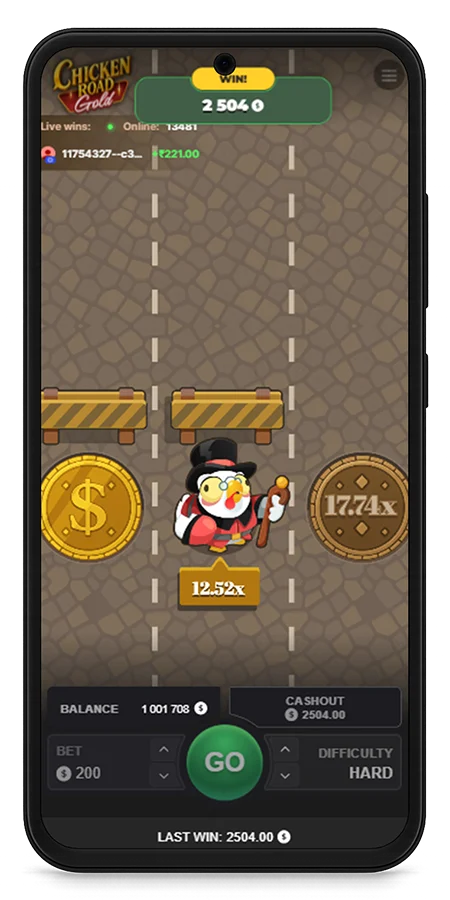
The Chicken Road game tile patterns Chicken Road game offers players not just the thrill of gaming but also a visual feast of intricate tile patterns. Understanding these patterns can enhance your gaming experience and potentially improve your strategies within the game. In this article, we’ll dive deep into the significance, variety, and aesthetic appeal of these tile patterns, providing you with insights that could give you an edge as you navigate through the Chicken Road. Let’s embark on this journey and explore the various elements that make up the tile designs in this captivating game.
The Importance of Tile Patterns in Gaming
Tile patterns in games like Chicken Road serve more than just a decorative purpose. They play a crucial role in creating an immersive experience for players. Well-designed tiles can enhance the theme of the game, guiding players through different levels and challenges while offering cues about gameplay mechanics. In Chicken Road, these patterns often symbolize various obstacles, bonuses, or features of the game that help players strategize their moves.
Types of Tile Patterns in Chicken Road
Tile patterns in the Chicken Road game come in a variety of forms, each with unique characteristics:

- Solid Tiles: These provide a straightforward and clear path on the board. They often represent the most basic movement areas, allowing players to traverse the game without major obstacles.
- Patterned Tiles: Featuring designs such as stripes, dots, or checkers, these tiles can indicate special features. Players may find that these tiles provide an opportunity for bonus points or special game mechanics.
- Obstacle Tiles: Typically marked with caution symbols or vibrant colors, these tiles signify challenges that players must navigate around. They are crucial for adding difficulty and strategy to the gameplay.
- Bonus Tiles: Brightly colored and often adorned with stars or other eye-catching designs, bonus tiles indicate special rewards for players when they land on them.
Aesthetic Appeal of Tile Patterns
The aesthetic design of tile patterns in the Chicken Road game is not something to overlook. The colors, shapes, and symbols used in the tile designs create a visually engaging environment that draws players in. A vibrant color palette can enhance the playability of the game, making it more enjoyable for players of all ages.
Moreover, these patterns often reflect the theme and story of the game. For instance, a whimsical farm setting might feature tiles designed to look like various crops, animals, or farm equipment, which ties into the overall ambiance and immerses players more deeply into the game’s narrative.
Strategies Involving Tile Patterns
Understanding the tile patterns can be instrumental in developing winning strategies in Chicken Road. Players should pay attention to the types of tiles and their placements on the game board. Here are some tips on how to leverage these patterns:
- Plan Moves Wisely: Knowing where the obstacle tiles are placed can help you plan your route better and avoid penalties or setbacks in the game.
- Identify Opportunities: Look for bonus tiles and aim to land on them whenever possible to maximize your score.
- Observe Patterns: As tiles maintain unique visual cues, players can develop an instinct for recognizing beneficial and harmful patterns, allowing for quicker decision-making during gameplay.
Conclusion
In conclusion, the tile patterns in the Chicken Road game are an essential element that combines aesthetics with gameplay functionality. By understanding the various types of tile patterns and their implications, players can enhance their gaming experience and improve their strategic approaches. Whether you are a seasoned player or a newcomer, appreciate the artistry behind these designs while enjoying all the exciting challenges Chicken Road has to offer.